
"Rwanda OCIR"
120 article(s) found
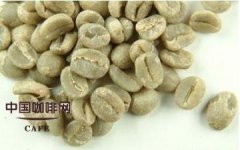
Coffee beans introduce "grass aroma" flavor of Rwandan coffee
Rwandan coffee is absolutely high quality in the form of washed Arabica beans. As far as Africa is concerned, its coffee industry stands out because the country rises and falls by producing the best possible beans. The taste of Rwandan coffee is described as a grassy aroma with tropical climate characteristics. The country's fertile soil and climate help plants grow, and coffee trees seem to be driven

World boutique coffee beans introduce Rwandan coffee
Rwandan coffee is absolutely high quality in the form of washed Arabica beans. As far as Africa is concerned, its coffee industry stands out because the country rises and falls by producing the best possible beans. The taste of Rwandan coffee is described as a grassy aroma with tropical climate characteristics. The country's fertile soil and climate help plants grow, and coffee trees seem to be driven

Fruit aroma with persistent Rwandan coffee flavor introduction to the characteristics of Rwandan coffee
The favored Micro Highland beans and the 2005 Columbia Q Competition Champion Manor are all run by this private company, and this batch of people printed with SICAF is also run by NKG. Rwanda's coffee grading system is different from other African countries, and the hand constituency needs to be rated by cup test, while Lu's grade is only A, B and C.

The flavor and taste of Rwandan Malaba coffee with breath and aroma
The first problem for Malaba coffee farmers is to set up a cleaning station. The coffee fruit must be transported to the cleaning station to wash the sugar under the skin of the coffee bean within 12 hours after picking, otherwise the flavor of the coffee will be greatly damaged. In July 2001, with UNR, the Ministry of Culture and Industry of Rwanda (Office des Cultures Industrielles du Rwanda,OCIR-Caf), ACD

Coffee bean common sense "grass aroma" flavor of Rwandan coffee
Rwandan coffee is absolutely high quality in the form of washed Arabica beans. As far as Africa is concerned, its coffee industry stands out because the country rises and falls by producing the best possible beans. The taste of Rwandan coffee is described as a grassy aroma with tropical climate characteristics. The country's fertile soil and climate help plants grow, and coffee trees seem to be driven

Description of the flavor of Rwandan coffee with "grass aroma" flavor
Rwandan coffee is absolutely high quality in the form of washed Arabica beans. As far as Africa is concerned, its coffee industry stands out because the country rises and falls by producing the best possible beans. The taste of Rwandan coffee is described as a grassy aroma with tropical climate characteristics. The country's fertile soil and climate help plants grow, and coffee trees seem to be driven

Fruit aroma with persistent Rwandan coffee flavor introduction to boutique coffee from manor production area
The watershed between the Congo basin and the Nile basin runs through Rwanda from north to south, with about 80 per cent of the country draining from the Nile and about 20 per cent from the Ruzi River and Lake Tanganyika. The longest river in the country is the Niabalongo River (Nyabarongo River) in the southwest, which turns north, east and southeast and flows into the Luwuwu River to form the Kagaila River.

Boutique coffee beans-Rwandan coffee makes you understand the charm of individual coffee
Rwandan coffee is absolutely high quality in the form of washed Arabica beans. As far as Africa is concerned, its coffee industry stands out because the country rises and falls by producing the best possible beans. The taste of Rwandan coffee is described as a grassy aroma with tropical climate characteristics. The country's fertile soil and climate help plants grow, and coffee trees seem to be driven

Soft, aromatic, full-bodied Rwandan coffee beans Introduction Fine coffee
The taste of Rwandan coffee is described as grassy, with tropical climate characteristics. The country's fertile soil and climate are conducive to plant growth, and coffee trees seem driven or forced to grow upward, as well as growing too fast to produce the best beans. But anyway, the soft, rich flavor of the country's coffee is excellent. High quality coffee
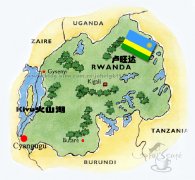
African Fine Coffee beans Common sense Rwandan Coffee
Rwandan coffee is absolutely high quality in the form of washed Arabica beans. As far as Africa is concerned, its coffee industry stands out because the country rises and falls by producing the best possible beans. The taste of Rwandan coffee is described as a grassy aroma with tropical climate characteristics. The country's fertile soil and climate help plants grow, and coffee trees seem to be driven
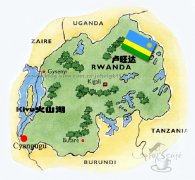
Rwandan coffee is famous for its washed Arabica beans.
Rwandan coffee is absolutely high quality in the form of washed Arabica beans. As far as Africa is concerned, its coffee industry stands out because the country rises and falls by producing the best possible beans. The taste of Rwandan coffee is described as a grassy aroma with tropical climate characteristics. The country's fertile soil and climate help plants grow, and coffee trees seem to be driven

Boutique Rwandan coffee
Rwandan coffee is absolutely high quality in the form of washed Arabica beans. As far as Africa is concerned, its coffee industry stands out because the country rises and falls by producing the best possible beans. The taste of Rwandan coffee is described as a grassy aroma with tropical climate characteristics. The country's fertile soil and climate help plants grow, and coffee trees seem to be driven
Where did the Rwandan coffee come from?
Following Cafe (official Wechat account vdailycom) found out how the coffee from Kenya was brought to Rwanda by German missionaries in 1904, but it was not until 1917 that the coffee production in Rwanda was large enough for export. After the first World War, the Trusteeship of the League of Nations (the League of Nations Mandate) was withdrawn.

The flavor and taste characteristics of Coffee in Kimmel Manor with persistent fruit aroma introduction to boutique coffee
Rwanda has a temperate and tropical plateau climate, and because of its high altitude, its temperature is lower than that of typical equatorial countries. The daily temperature in Kigali, which is located in the middle of the country, is generally between 12 and 27C, with a relatively wide range of fluctuations throughout the year.

Soft, fragrant Rwanda Coffee Flavor Manor Flavor characteristics of Fine Coffee beans
The first problem for Malaba coffee farmers is to set up a cleaning station. The coffee fruit must be transported to the cleaning station to wash the sugar under the skin of the coffee bean within 12 hours after picking, otherwise the flavor of the coffee will be greatly damaged. In July 2001, with UNR, the Ministry of Culture and Industry of Rwanda (Office des Cultures Industrielles du Rwanda,OCIR-Caf), ACD

A brief introduction to the climate and altitude of Malaba coffee varieties in southern Rwanda
Coffee from Rwanda is becoming more and more popular in the international market. The mission of the Rwanda Coffee Association is to manage and supervise the operation of the coffee industry in Rwanda from production to sale. The recently revised mission focuses on policy formulation and implementation, with more emphasis on the need to improve the professionalism of the coffee industry and to increase marketing efforts. Since Rwanda

A brief introduction to the description of the flavor, taste and aroma characteristics of high-quality coffee beans in Kimmel Manor
The first problem for Malaba coffee farmers is to set up a cleaning station. The coffee fruit must be transported to the cleaning station to wash the sugar under the skin of the coffee bean within 12 hours after picking, otherwise the flavor of the coffee will be greatly damaged. In July 2001, with UNR, the Ministry of Culture and Industry of Rwanda (Office des Cultures Industrielles du Rwanda,OCIR-Caf), ACD

Introduction to Rwanda Malaba Coffee grown in fertile volcanic soil on high-altitude hills
In 2000, the Mayor of Malaba requested development assistance from the National University of Rwanda (UNR), which is located near the city of Butare, and the following year, the National University of Rwanda assisted in the establishment of the Joint strengthening Rwanda Agricultural Partnership (PEARL). PEARL is also supported by several organizations: the United States Agency for International Development (USAID), Michigan State University, Texas A & M University, and

Rwanda coffee beans with unique and perfect flavor introduce boutique coffee
The tiny Highland beans, which have always been favored, and the 2005 Columbia Q Competition Champion Manor are all run by this private company, and this batch of people printed with SICAF is also run by NKG. Rwanda's coffee grading system is different from other African countries, and the hand constituency needs to be rated by cup test, while Lu's grade is only A, B and C.

Chimere Manor, Lutesilo production area, Western Province of Rwanda
Rwandans have been growing coffee since colonial times, but until 1999, its products were still classified as below Class C and were not popular in the global market. The reason for the poor quality is that farmers do not have a fixed procedure for washing coffee beans and do not process coffee fruits according to specifications in time. Buyers buy coffee beans at $0.33 per kilogram, and farmers keep warm by the meagre profits earned at low prices.